12-Month-Old Baby Development - Walking, Talking, and Nutrition

This article is approved by Çiğdem İrem İleri
Published: 18 March, 2026
Updated: 30 July, 2026
At a Glance
Babies around 1 year usually need 11-14 hours of sleep in total within a 24-hour period.
Most babies take their first independent steps within a wide window between 10 and 18 months.
At 12 months, your baby's menu can consist of healthy, appropriately sized portions of the foods your family eats.
Babies at this age can typically use 1 to 3 words intentionally, like "mama" or "dada," while looking at the correct person.
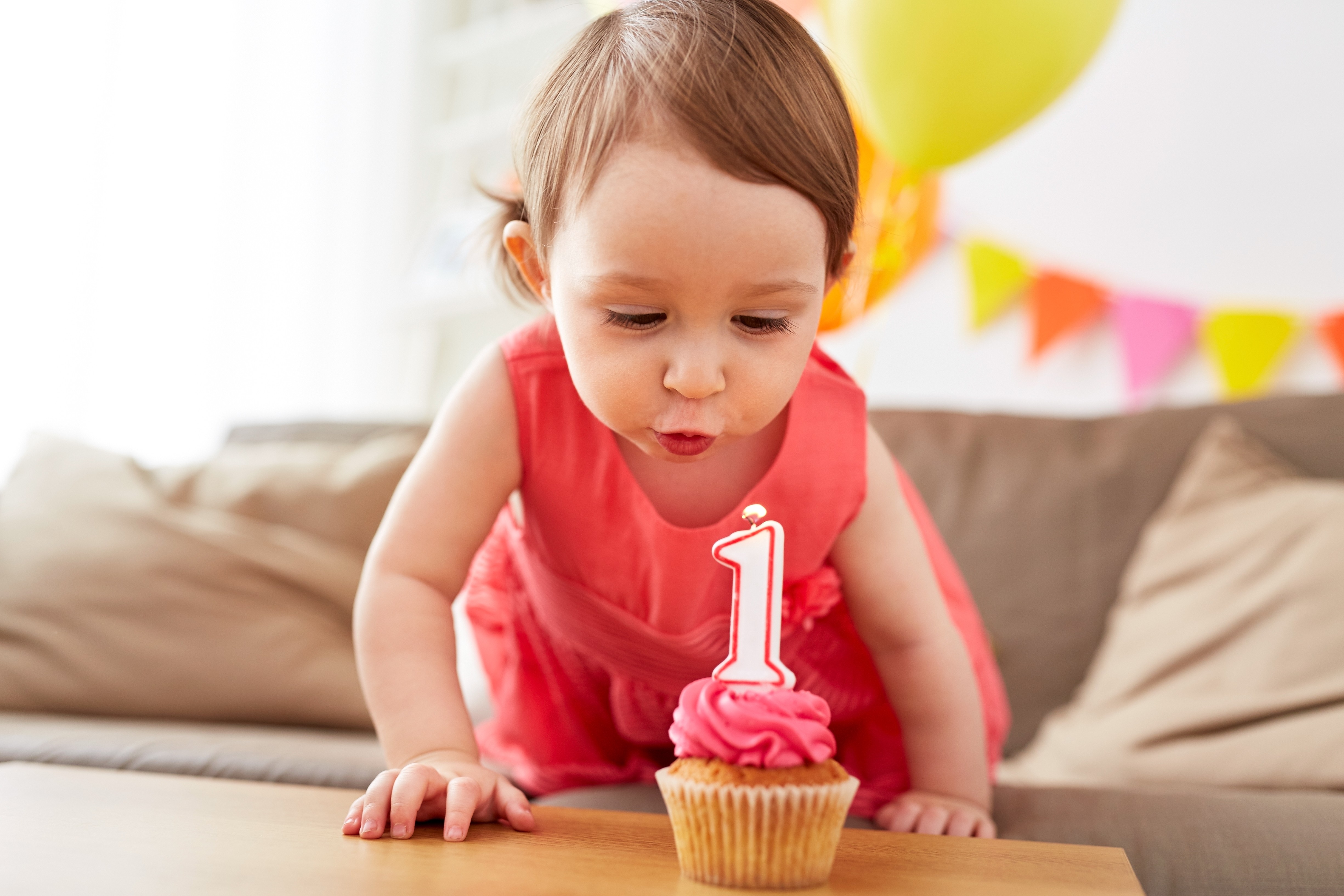
Celebrating your baby's first birthday is a unique milestone for both of you. A 1 year old development phase is an exciting time when your baby transitions from a newborn into an active, curious toddler who clearly expresses their desires. While sleepless nights and endless feeding cycles can be exhausting, this guide covers everything you need to know about a 12 month old sleep schedule, feeding habits, and major developmental steps like walking. Our goal is to ease your worries and help you welcome this new stage with confidence.

What Are the Key 12 Month Old Milestones?
12 month old milestones generally include increased mobility, the emergence of the first meaningful words, and a growing interest in solids. This period is one of the peaks in your baby's desire to explore the world more independently. Every baby's growth journey is as unique as a fingerprint; therefore, watching them progress at their own pace is the healthiest approach, rather than comparing them to a neighbor's or friend's baby.
Physical Growth and Gross Motor Skills
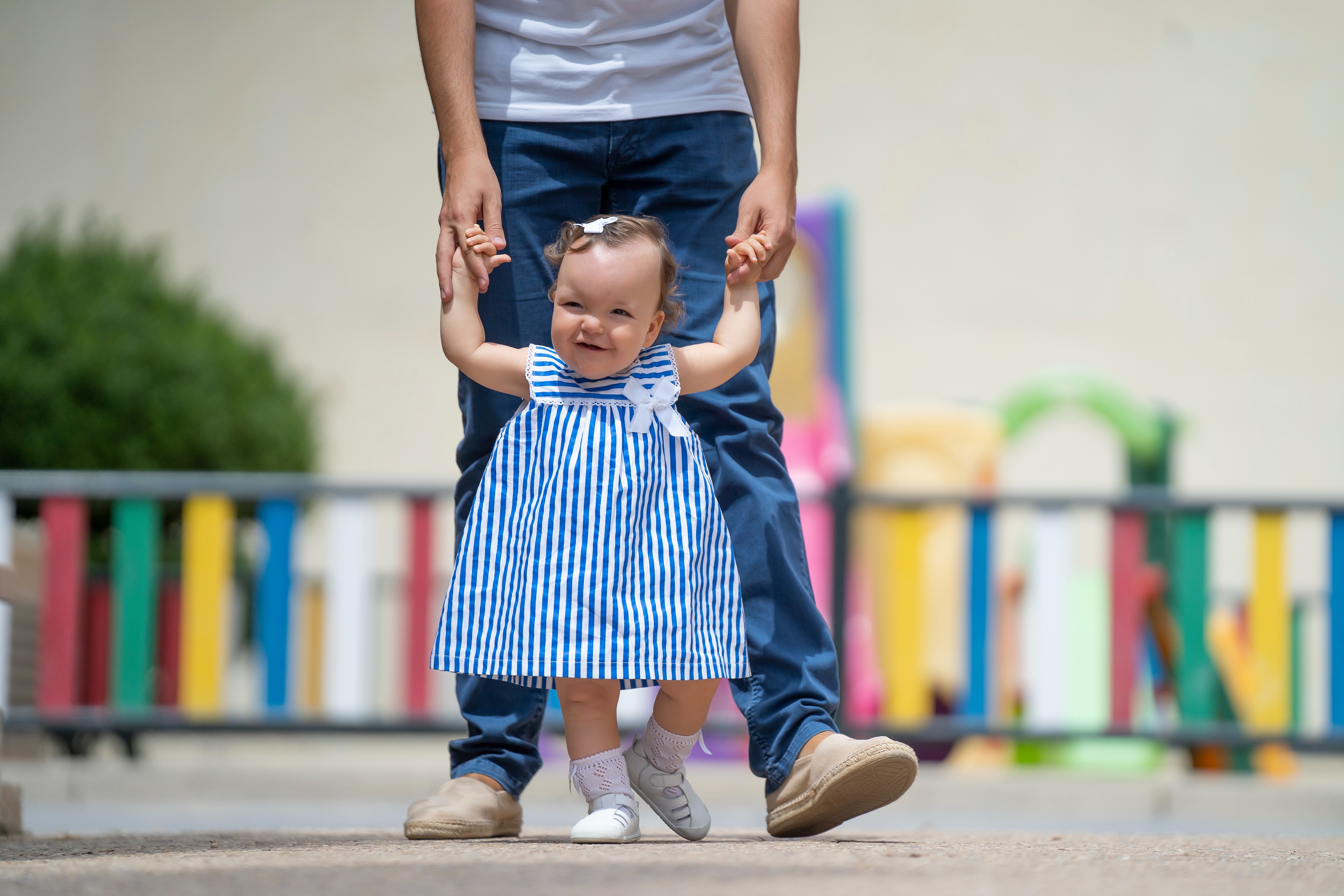
For a one-year-old, physical growth and gross motor skills are often seen as pulling up to stand using the edge of a couch, cruising around furniture, and occasionally taking their first unsupported steps. Babies learn to balance and strengthen their leg muscles during these months. Some babies start cruising as early as 11 months, while others may prefer crawling until 15 months. During these 12 month old milestones, your baby's height and weight gain may slow down slightly compared to the early months, which is a completely natural process.
Fine Motor Skills and Hand-Eye Coordination
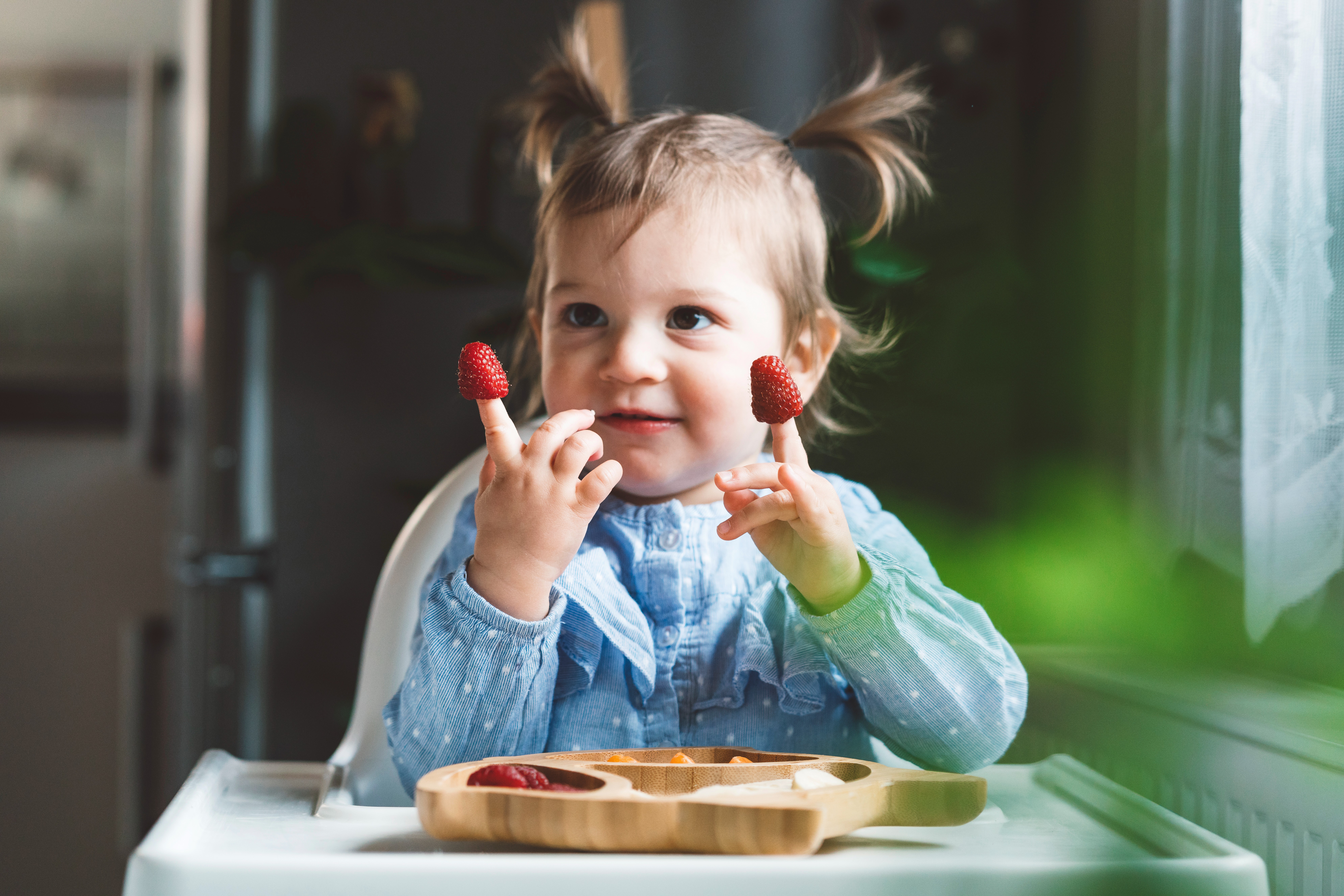
A 12-month-old's fine motor skills and hand-eye coordination typically manifest in the ability to grasp small objects using their thumb and index finger like pincers, or to bang blocks together. Your baby can now pick up a small piece of fruit you place in front of them and bring it to their mouth independently, or try to turn the thick pages of a board book. Putting objects into boxes and taking them out again becomes one of their favorite games during this time. If you want to support these skills through play, you can explore fine motor activities and play ideas designed for 1-year-olds on the Yuppo app.
12 Month Old Sleep Schedule and Sleep Regression
A typical 12 month old sleep schedule generally includes a total of 11 to 14 hours of sleep, usually with one or two daytime naps, while a 12-month sleep regression can surface with night wakings due to increasing physical skills. According to the American Academy of Pediatrics (AAP), children between 1 and 2 years old need 11 to 14 hours of regular sleep in a 24-hour period for mental and physical rest. New skills your baby acquires, like walking or talking, can keep their brain constantly engaged, making it harder for them to fall asleep.
This sleep regression period can be quite exhausting for parents. Your baby, who used to sleep soundly, might suddenly wake up in the middle of the night wanting to play, or fiercely resist daytime naps. Being flexible is crucial when establishing a 12 month old sleep schedule during this process. Some babies may show signs of transitioning from two naps to one nap during this month. Knowing about baby sleep schedules by age helps you understand your baby's changing needs. Remember that these regressions are temporary and a wonderful sign that your baby's brain is developing rapidly.
12 Month Old Feeding Schedule: What Should a 1-Year-Old Eat?
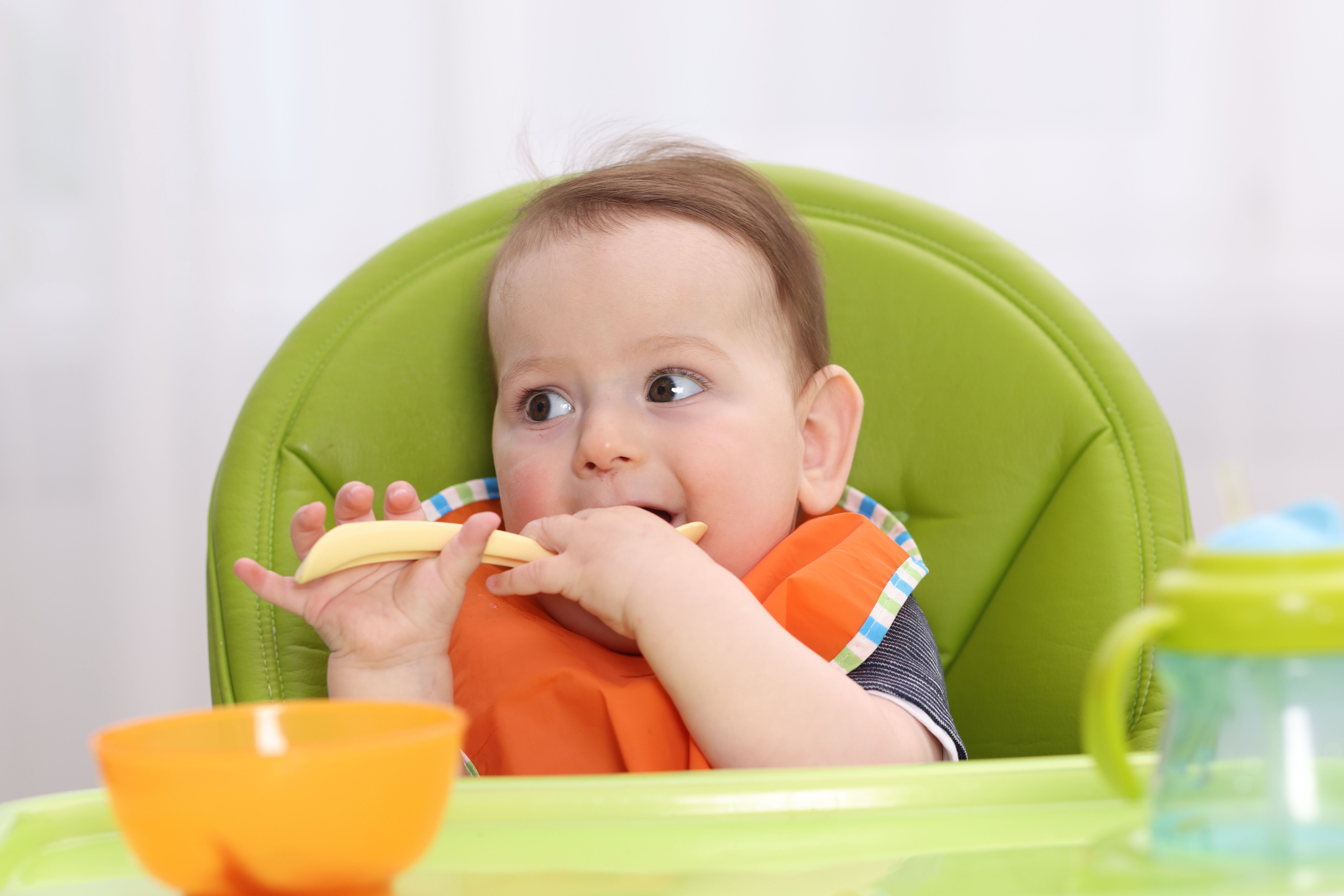
Within a 12 month old feeding schedule, your baby's daily menu can consist of 3 main meals and 2 snacks, offering healthy, unsalted, and unspiced versions of family meals. At this stage, your baby's diet should encourage self-feeding with finger foods rather than purees. The World Health Organization (WHO) and the AAP recommend against offering cow's milk as a main drink before 1 year of age, but after the first birthday, you can gradually introduce whole pasteurized cow's milk. If you are breastfeeding, you can continue as long as you and your baby desire.
The table below shows a general outline to give you an idea. The amount your baby eats can vary from day to day; some days they might have a huge appetite, while other days they might only take a few bites. This is normal as long as you do not force portions.
Mealtime | Recommended Food Approach | Notes for Parents |
|---|---|---|
Morning (Breakfast) | Fully cooked egg, cheese, whole wheat bread | Portions can be about the size of your baby's palm. |
Mid-Morning (Snack) | Seasonal fruit slices or homemade yogurt | Offer soft finger foods they can eat independently. |
Lunch | Vegetable dish, ground beef, or chicken pieces | Absolutely avoid added salt and sugar. |
Afternoon (Snack) | Healthy pancakes, low-sodium cheese, or kefir | This snack can be skipped based on your baby's hunger cues. |
Dinner | Soft stews or family meals, grains (like rice or bulgur) | Ensure foods are soft enough not to pose a choking hazard. |
This routine supports your baby in getting used to new tastes and developing independent feeding skills.
When Do Babies Start Walking and Talking? 12 Month Language and Motor Development
Although the timing for walking and talking varies greatly among individuals, 12-month language and motor development is mostly shaped around efforts to stand with or without support, and saying a couple of meaningful words. The questions "when do babies start walking" and "can one year olds talk" are some of the most common things on parents' minds during this period. These motor and language skills can develop sequentially or sometimes pause; for instance, a baby who is intensely focused on walking might experience a slight slowdown in language development during those weeks.
Language Development and First Words
Language development and first words in 12-month-old babies generally begin with the intentional use of simple words like "dada" or "mama" while looking at the right person or object. The American Academy of Pediatrics (AAP) states that babies around 1 year of age typically respond to their own names, understand simple commands, and can use at least one word meaningfully. Your baby's receptive language (understanding what is said) is much more advanced than their expressive language (speaking). Reading books to them frequently and naming objects around them immensely supports language development. If you have concerns about children with speech delays, make sure to communicate with plenty of eye contact.
Supportive Steps in the Walking Journey
Supportive steps in a 1-year-old's walking journey usually involve letting them walk barefoot on a safe, soft surface and encouraging them to cruise along furniture. Most babies start walking between 10 and 18 months. Walking barefoot allows the baby to feel the texture of the ground and balance much better. Forcing them to walk early or trying to make them walk by pulling their arms can harm your baby's muscle structure; respecting their own timeline is the best support.
Summary and Next Steps
Sleep needs: Your baby might have trouble falling asleep due to increased physical activity; turn off screens and create a calming routine in the last hour before bed.
Feeding routine: Pickiness may start as they get used to solids; keep portions small and continue offering healthy options without insisting they eat.
Motor development: There might be plenty of falls during walking attempts; baby-proof the corners and sharp edges in your home so your baby can move freely.
Language skills: To enrich your baby's vocabulary, explain their actions, the clothes you dress them in, or the food they eat using simple sentences.
When to Consult a Doctor?
Every baby's development follows its own unique course, but certain situations at 12 months may indicate a need for developmental support. If you observe any of the following signs, it is recommended to consult a pediatrician without panicking:
Your baby cannot sit with or without support despite being 12 months old.
They do not crawl, or they only use one side of their body (e.g., only the right leg and arm) when moving.
They show no interest in interactive games like "peek-a-boo."
They do not turn to look when their name is called and remain unresponsive to sounds.
They do not use any sign language or point with their finger to something they want.
You notice a regression in skills they previously had (like saying words or motor movements).
This content is for informational purposes only; always consult your pediatrician for diagnosis and treatment.
Watching the new abilities your baby gains with their first birthday is an exciting process that requires keeping track. With the Yuppo app, you can track your baby's developmental milestones weekly and get age-appropriate activity and content recommendations. Easily create a personalized profile for your baby on Yuppo to access reliable ideas that will support their fine motor skills and language development.
Frequently Asked Questions
How many hours should a 12 month old sleep?
12-month-old babies typically sleep a total of 11 to 14 hours within a 24-hour period, including both day and night sleep. This sleep is usually distributed as a long stretch at night and one or two short naps during the day.
Is it normal if my 1-year-old isn't walking yet?
It is completely normal if your baby isn't walking at 1 year old, as most babies take their first independent steps within a wide window between 10 and 18 months. If they are crawling or pulling up to stand, their motor development is progressing healthily.
How many words should a 1-year-old say?
On average, a 1-year-old can use 1 to 3 words intentionally and meaningfully. In addition to using simple words like "mama" or "dada" correctly, the number of words babies understand is far greater than what they can actually say.
What should parents do during a 12-month sleep regression?
During a 12-month sleep regression, parents should primarily remain patient and consistently apply existing calming sleep routines without disrupting them. Observing whether your baby shows signs of transitioning from two naps to one nap can be helpful in adjusting their sleep schedule.
Should I continue breastfeeding my 1-year-old?
You can comfortably continue breastfeeding your 1-year-old for as long as both you and your baby desire. However, after 12 months, the main source of energy and nutrients should gradually shift to solids, with breast milk playing a complementary and bonding role.
References
Centers for Disease Control and Prevention. (2023). How Much and How Often to Breastfeed. Infant and Toddler Nutrition. https://www.cdc.gov/infant-toddler-nutrition/breastfeeding/how-much-and-how-often.html
World Health Organization. (2023). WHO guideline on complementary feeding of infants and young children 6–23 months of age. Geneva: World Health Organization. https://www.who.int/publications/i/item/9789240081864
World Health Organization. (2023). Infant and young child feeding. Fact Sheets. https://www.who.int/news-room/fact-sheets/detail/infant-and-young-child-feeding
American Academy of Pediatrics. (2022). Language Development: 8 to 12 Months. HealthyChildren.org. https://www.healthychildren.org/English/ages-stages/baby/Pages/Language-Development-8-to-12-Months.aspx
American Academy of Pediatrics. (2022). Developmental Milestones: 12 Months. HealthyChildren.org. https://www.healthychildren.org/English/ages-stages/baby/Pages/Developmental-Milestones-12-Months.aspx

Dr. Çiğdem İrem İleri
Developmental Psychologist
After graduating from Koç University in 2019 with a double major in Psychology and Media and Visual Arts, alongside track programs in Design, Gender Studies, and Media and Management, Çiğdem İrem İleri began her integrated doctoral studies in Developmental Psychology at the same institution that same year.