11-Month-Old Baby Development - First Words and First Steps

This article is approved by Çiğdem İrem İleri
Published: 16 March, 2026
Updated: 30 July, 2026

At a Glance
11 month old milestones typically fall into a broad developmental window between 9 and 15 months, where the first independent steps and conscious words often occur.
Most babies at this age need an average of 12 to 14 hours of sleep per 24-hour cycle to support their rapid growth and development.
While breast milk or formula remains the foundation of their diet, it is recommended to offer three main meals and one or two snacks of solids daily.
As fine motor skills improve, babies make significant progress in feeding themselves by grasping food with their thumb and index finger.
The 11 month old baby development phase is a highly active period where your baby might practice standing independently and begin consciously using syllables like "mama" and "dada." Approaching the one-year mark, gross and fine motor skills accelerate, making this stage both exciting and physically demanding for parents. For those who often feel tired but want to meet their baby's needs in the best way possible, this guide explores your baby's sleep schedule, feeding routine, and gentle approaches to support their ongoing development.

What physical and cognitive 11 month old milestones should you expect?
Physical and cognitive milestones this month typically include cruising along furniture, grasping small objects with the thumb and index finger, and understanding simple commands. Babies want to explore their surroundings more and begin to understand the consequences of their actions. Mimicking abilities, such as clapping or waving, are frequently observed during this time. It is important to remember that every baby progresses at their own unique pace; some are constantly on the move, while others prefer to carefully examine objects.
Gross motor skills and independent movement
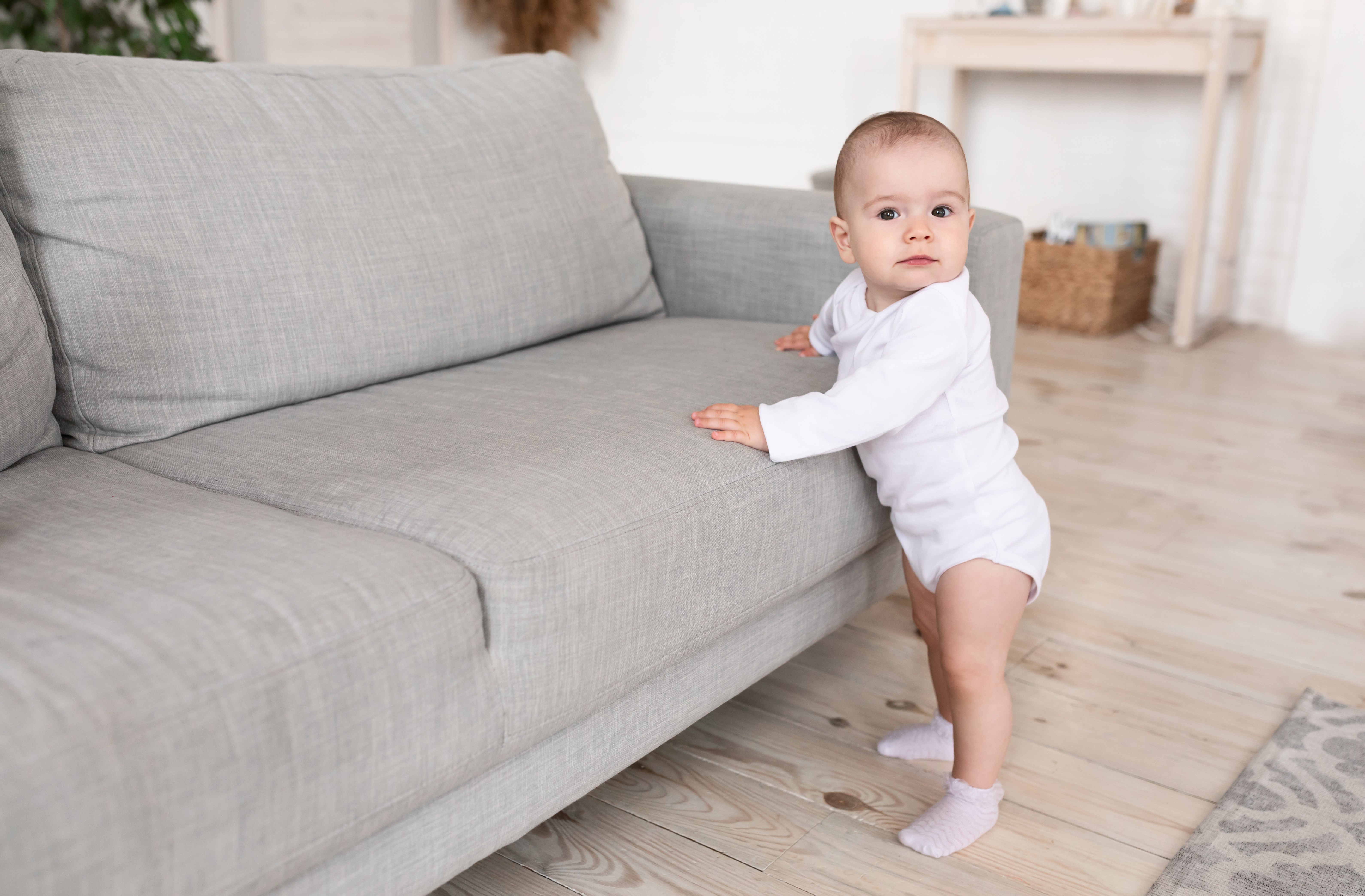
In terms of gross motor skills, most 11-month-old babies can stand unsupported for a few seconds and cruise sideways around the room while holding onto furniture. While there is no single answer to when do babies start walking, the first independent steps generally occur between 9 and 18 months. The American Academy of Pediatrics (AAP) recommends baby-proofing floors and environments so that babies can move freely and safely during this time. The healthiest approach is to avoid rushing and allow their muscles to strengthen at their own rhythm.
Fine motor development and grasping objects
Fine motor skills become highly noticeable during this period through the pincer grasp—the ability to precisely pick up objects using only the thumb and index finger. With this skill, they can feed themselves small pieces of food or try emptying and filling toy bins. This fine motor development is a wonderful sign of how far your baby's hand-eye coordination has progressed. Always supervising them when they play with small parts is the most fundamental precaution against choking hazards.
What should an 11 month old feeding schedule and daily routine look like?
An effective 11 month old feeding schedule typically balances breast milk or formula with about three main meals and one or two snacks of solids. During this time, babies adapt much more to the family table. They can safely consume most healthy, unsalted, and unspiced foods that adults eat, provided they are appropriately chopped or mashed.
The table below offers a general framework for what a baby's daily feeding routine might look like.
Meal Type | Suggested Content |
|---|---|
Morning | Breast milk/formula and breakfast (e.g., hard-boiled egg yolk, unsalted cheese) |
Mid-Morning | A small snack (fruit puree or soft slices) |
Lunch | Soft cooked vegetables, yogurt, followed by breast milk/formula |
Afternoon | Finger foods or healthy homemade snacks |
Dinner | Same home-cooked meal as the family (appropriate texture, unsalted) |
Night | Breast milk or formula as part of the bedtime routine |
This table is not a strict rule but a flexible guide you can adjust based on your baby's appetite and your family's daily rhythm.
Balancing breast milk, formula, and solids
Even though portion sizes of solids are increasing, breast milk or formula should remain the primary source of nutrition and hydration until the first year. The World Health Organization (WHO) supports continued breastfeeding up to two years and beyond, even after complementary feeding has started. As your baby becomes more active, they might spend less time at the breast. If you are looking for ways to increase your milk supply, prioritizing your own hydration and rest will help ease this transition.
Boosting confidence with finger foods
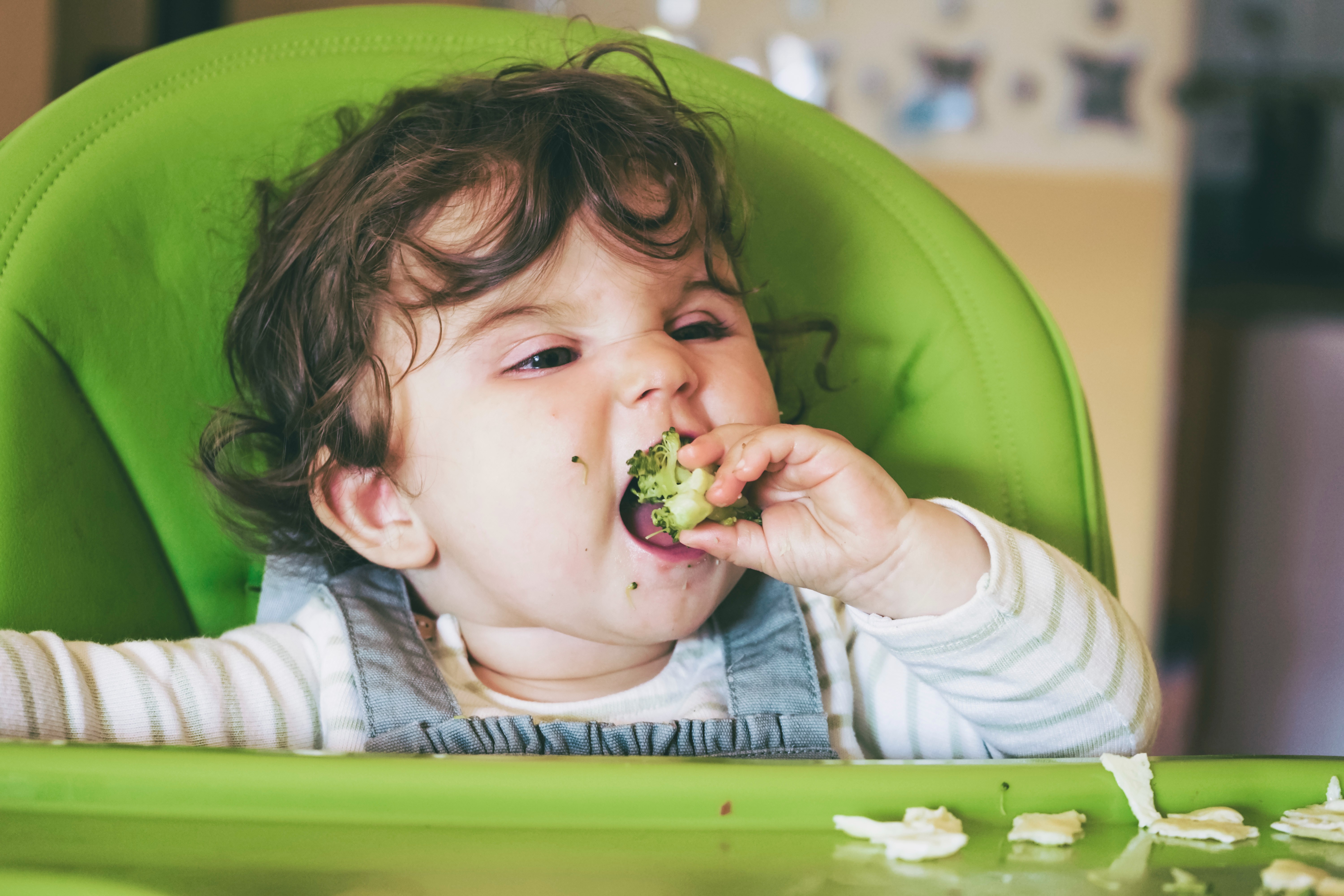
Offering finger foods like soft fruit slices or well-steamed vegetables supports a baby-led feeding approach, developing their chewing skills and self-feeding confidence. Allowing your baby to pick up food and bring it to their mouth might cause a bit of a mess, but this exploratory process is invaluable for their fine motor skills. Viewing mealtimes as an enjoyable sensory experience rather than a source of stress helps parents relax as well.
11 month old sleep schedule and how to handle sleep regressions
A healthy 11 month old sleep schedule aims for restful sleep through the night, though temporary night wakings can occur due to newly acquired motor skills and separation anxiety. On average, babies at this age need a total of 12 to 14 hours of sleep within a 24-hour cycle. The majority of these hours happen at night, with the rest distributed across daytime naps. Since your baby's brain processes everything they learned during the day while they sleep, occasional restlessness is a natural part of the process.
Organizing daytime naps
Daytime naps at this stage are usually planned twice a day, typically in the morning and afternoon, totaling 2 to 3 hours. Babies who do not get enough daytime rest become overtired, making it much harder for them to fall asleep and stay asleep at night. When structuring your baby's sleep guide by age, following their fatigue cues—like eye rubbing or yawning—always yields better results than strictly watching the clock.
Soothing techniques for night wakings
If you experience a sudden 11 month sleep regression, keeping the room dimly lit, speaking in a soft tone, and providing brief physical contact to soothe the baby in their crib is highly effective. Since separation anxiety can peak during this time, your baby mostly just wants to know you are there and that they are safe when they wake up. Instead of playing for long periods or turning on the lights, quietly going to them and gently patting their back helps them transition back to sleep.

Helping baby learn to walk and talk: How parents can support development
Parents can support walking by placing sturdy objects at a cruising distance in safe areas, and they can encourage 11 month old speech development by continuously narrating daily actions to the baby. Both areas of development should be advanced without pushing the baby, responding instead to their natural interest and readiness. Remember that babies learn best in a stress-free, loving play environment.
Games that encourage walking
Simple activities, such as placing a favorite toy on the couch just slightly out of reach, work very well for helping baby learn to walk by encouraging them to pull up. Push toys also help them find their balance while standing. Conversely, baby walkers are not recommended by experts due to safety risks and their potential to alter natural walking mechanics. You can easily track your baby's milestones through safe methods using the Yuppo app.
Communication techniques to accelerate speech
To support talking, clearly stating the names of objects your baby points to and reading interactive, picture-heavy books lays the foundation for their vocabulary. When parents ask, "how many words should an 11 month old say?", the answer is usually one or two consciously used words like "mama," "dada," or "uh-oh." However, their receptive language covers far more than what they can express. You can create a conversational loop by responding to their babbles with real words.
Summary and Next Steps
Motor Development: Your baby continues to pull up and cruise. Review the edges of coffee tables and cabinets this week to enhance safety measures at their level.
Feeding: The introduction of finger foods is accelerating. Offer a well-softened slice of vegetable at tomorrow's lunch for them to try feeding themselves.
Communication: Their capacity to understand words is growing. Start narrating your actions like a story while doing daily household chores (e.g., folding laundry).
Sleep: Separation anxiety can lead to night wakings. Extend the pre-sleep cuddling and reading routine by 15 minutes each evening this week to give them the reassurance they need.
When to See a Doctor?
While every baby's pace is different, completely missing certain developmental milestones warrants a discussion with a pediatrician for early intervention. It is a good idea to consult your doctor if you observe any of the following signs:
The baby cannot sit unsupported (most babies learn to sit by the 9th month).
They show no effort to move around, such as scooting, crawling, or bottom-shuffling.
They do not respond when their name is called or do not make eye contact with you.
They do not use simple gestures, like waving "bye-bye."
They cannot grasp small objects using their thumb and index finger.
This content is for informational purposes only; always consult your pediatrician for diagnosis and treatment.
During these special months as your baby rapidly approaches their first birthday, tracking every new babble and attempt to stand can be exhausting, but it is also one of the most beautiful parts of the parenting journey. Without getting lost in complicated information on the internet, accessing reliable content tailored to your baby's weekly changes can lighten your mental load.
To easily track your baby's monthly development, organize sleep schedules, and monitor their growth curve with a percentile calculator, you can try the Yuppo app for free. You can also gain detailed information about the following of your baby’s development by checking out our 12-month old baby development article.
Frequently Asked Questions
How many words should an 11 month old say?
An 11-month-old baby can usually use one or two simple words consciously, such as "mama," "dada," or "up." However, every child's language development is different; even if some do not produce meaningful words at this age, they can easily understand many commands you say.
How long does the 11 month sleep regression last?
Sleep regressions related to separation anxiety or the acquisition of new motor skills usually last between two and four weeks. Maintaining a consistent bedtime routine and keeping night waking interventions brief and gentle will help you navigate this period more easily.
Is it normal if my 11-month-old isn't walking yet?
Yes, it is completely normal for an 11-month-old baby not to walk yet. The first independent steps can happen across a broad timeline, typically between 9 and 18 months. Cruising around the room while holding onto furniture is the clearest sign that they are preparing to walk.
How much should an 11-month-old sleep?
11-month-old babies need an average of 12 to 14 hours of sleep in a 24-hour period. The majority of this time is spent sleeping at night, while the remaining 2 to 3 hours are divided between morning and afternoon naps.
How do you ease separation anxiety in an 11-month-old?
To ease separation anxiety, it is helpful to leave the room with a brief, cheerful goodbye phrase, indicating that you will return. Avoiding sneaking out of the house and playing peek-a-boo games helps the baby feel safe and understand that you always come back.
What foods should an 11-month-old avoid?
Until they reach one year of age, babies should not be given honey due to the risk of botulism, cow's milk as a main drink, or whole nuts that pose a choking hazard. Additionally, adding salt or extra sugar to their meals should be strictly avoided to protect their kidneys.
References
American Academy of Pediatrics. (2022). Baby Walkers: A Dangerous Choice. https://www.healthychildren.org/English/safety-prevention/at-home/Pages/Baby-Walkers-A-Dangerous-Choice.aspx

Dr. Çiğdem İrem İleri
Developmental Psychologist
After graduating from Koç University in 2019 with a double major in Psychology and Media and Visual Arts, alongside track programs in Design, Gender Studies, and Media and Management, Çiğdem İrem İleri began her integrated doctoral studies in Developmental Psychology at the same institution that same year.